
In the fast-paced world of modern India, mental wellness has become a growing priority. With pressures from work, academics, relationships, and urban life, stress and anxiety are increasingly common. Fortunately, mental health apps are bridging the gap between professional therapy and everyday stress relief.
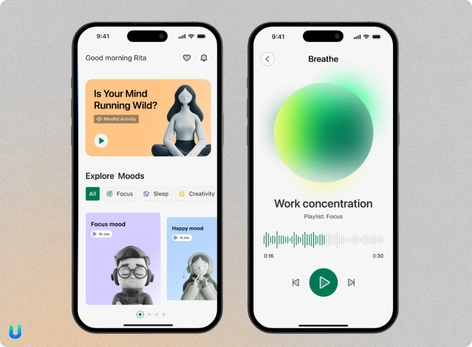
Smartphones have made mental wellness more accessible than ever. These apps provide guided meditation, mindfulness exercises, cognitive behavioral therapy (CBT) tools, sleep aids, mood tracking, and even direct access to licensed therapists. For Indians juggling busy schedules, mental health apps are offering a convenient, private, and affordable solution.
In this comprehensive article, we explore the top mental health apps Indians are using, how they help reduce stress, and examples of celebrities, influencers, and real users leveraging these platforms to improve their well-being.
Why Mental Health Apps Are Gaining Popularity in India
Several factors have led to the surge in mental health app usage in India:
- Digital Convenience: Mental wellness tools are now available anytime, anywhere.
- Privacy and Anonymity: Many users prefer the confidential environment apps provide.
- Growing Awareness: Campaigns by government organizations and NGOs are encouraging proactive mental health care.
- Workplace Integration: Companies are promoting mental wellness apps to reduce employee burnout.
- Cultural Shift: Younger generations in India are increasingly open to discussing mental health.
These factors have made mental health apps mainstream rather than niche tools. Today, millions of Indians rely on them to manage stress, anxiety, and overall well-being.
Key Features of Mental Health Apps
Modern mental health apps combine science-backed techniques with user-friendly interfaces. Popular features include:
- Guided Meditation: Step-by-step meditation for stress relief, focus, and mindfulness.
- Mindfulness Exercises: Techniques to develop awareness and emotional regulation.
- Sleep Improvement Tools: Music, stories, and routines designed to enhance sleep quality.
- Mood Tracking: Daily logs and charts to monitor mental health patterns.
- Therapy Support: Access to licensed professionals via chat, video, or text.
- Stress Relief Games: Interactive features that engage the mind and reduce tension.
These features allow users to build sustainable mental wellness habits, even in the midst of busy daily routines.
Top Mental Health Apps Indians Are Using
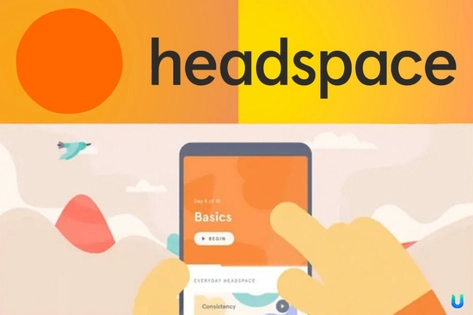
1. Headspace
Headspace is a global leader in meditation apps, widely adopted in India. It provides:
- Guided meditation for beginners and advanced users
- Mindfulness exercises for stress reduction
- Sleep stories and calming soundscapes
Celebrity Endorsement: Bollywood actor Ayushmann Khurrana has publicly shared how he uses meditation apps, including Headspace, to manage work stress and maintain focus.
2. Calm
Calm focuses on reducing anxiety and improving sleep quality. Key features include:
- Breathing exercises for stress relief
- Bedtime stories and ambient music for better sleep
- Daily mindfulness notifications
Influencer Use: Indian wellness influencer Luke Coutinho recommends Calm for beginners seeking a simple path to mental clarity and relaxation.
3. Wysa
Wysa combines AI-powered chat support with self-help tools:
- AI chatbot for 24/7 mental health support
- Journaling exercises and mood tracking
- CBT-based guided exercises for stress, anxiety, and depression
Real-Life Example: Many students preparing for competitive exams in India use Wysa for quick stress relief sessions between study hours.
4. InnerHour
InnerHour is an India-based app with a culturally relevant approach:
- Personalized self-help programs
- Access to licensed therapists
- Mood tracking analytics
Celebrity Example: Bollywood singer Shreya Ghoshal mentioned using InnerHour to balance mental stress during intense tour schedules.
5. Mindhouse
Mindhouse blends meditation, yoga, and relaxation techniques:
- Guided meditation and breathing exercises
- Yoga sessions for body-mind wellness
- Sleep and focus exercises
Influencer Highlight: Yoga expert Rujuta Diwekar endorses Mindhouse for combining traditional wellness techniques with modern app convenience.
How Mental Health Apps Help Manage Stress
Mental health apps provide tangible benefits for stress relief:
- Reduce Cortisol Levels: Meditation and breathing exercises lower stress hormones.
- Improve Sleep Quality: Audio aids and mindfulness routines enhance relaxation.
- Build Emotional Resilience: Users learn techniques to manage anxiety and stress.
- Encourage Daily Routine: Notifications and guided sessions help create healthy habits.
For busy Indian professionals and students, these apps make mental wellness achievable without disrupting daily schedules.
Trends in Mental Health App Usage in India
Recent trends illustrate why mental health apps are booming:
- Youth Adoption: Millennials and Gen Z are the largest user groups.
- Corporate Wellness: Companies include app subscriptions as employee benefits.
- AI Integration: Chatbots provide instant support and personalized guidance.
- Multilingual Content: Apps now include Hindi, Tamil, Telugu, and other regional languages.
- Gamification: Engaging exercises increase user adherence and enjoyment.
These trends indicate mental health apps will continue to grow as a mainstream solution for stress management in India.
Celebrity and Influencer Adoption in India
Several Indian celebrities and influencers are openly using mental health apps, which has helped destigmatize mental wellness:
- Ayushmann Khurrana: Shares his meditation routine using Headspace for focus and calmness.
- Shreya Ghoshal: Uses InnerHour for therapy guidance during hectic touring schedules.
- Rujuta Diwekar: Promotes Mindhouse for integrating yoga and meditation.
- Kalki Koechlin: Advocates therapy apps for emotional balance and creative mindfulness.
Their endorsements encourage fans to explore digital mental health solutions and normalize self-care.
Real-Life User Examples
Students Managing Exam Stress
Competitive exams in India create high stress levels. Apps like Wysa and Headspace provide short, guided exercises for students to calm nerves, focus better, and manage pressure.
Professionals Avoiding Burnout
Corporate employees use apps like Calm and Mindhouse during breaks or before sleep to unwind, prevent burnout, and maintain productivity.
Individuals Coping With Anxiety
Users struggling with anxiety or mild depression find relief through AI chat support, mood tracking, and mindfulness sessions offered by Wysa and InnerHour.
Challenges and Considerations
While mental health apps are beneficial, users must be aware of potential limitations:
- Not a Replacement for Therapy: Severe mental health conditions still require professional treatment.
- Data Privacy: Users must choose apps that protect sensitive information.
- Consistency Needed: Regular use is key to achieving measurable results.
- App Quality Variation: Not all apps are scientifically validated, so research is essential.
By understanding these factors, users can make informed choices for sustainable mental wellness.
Integrating Mental Health Apps Into Daily Life
To maximize effectiveness:
- Schedule daily meditation sessions using Headspace or Calm.
- Track mood and stress using Wysa or InnerHour.
- Use sleep programs to improve rest.
- Pair app exercises with yoga or physical activity.
- Include mindfulness practices during breaks at work or study.
Routine usage transforms apps from a temporary tool to a long-term wellness habit.
The Role of Mental Health Apps Post-COVID-19
COVID-19 heightened stress and anxiety levels globally. In India, lockdowns and remote work increased mental health challenges:
- App downloads surged during pandemic peaks.
- Apps provided immediate access to therapy and meditation when offline services were unavailable.
- Awareness campaigns by healthcare organizations promoted app usage.
This period accelerated the adoption of mental health apps as mainstream wellness solutions in India.
Future of Mental Health Apps in India
The future looks promising:
- More regional language content to reach wider audiences
- Advanced AI for personalized guidance and therapy
- Integration with wearables for real-time stress monitoring
- Corporate wellness programs promoting app subscriptions
Indians can expect more tailored, interactive, and scientifically validated digital mental wellness solutions in the coming years.
Conclusion
In 2026, mental health apps are transforming how Indians manage stress, anxiety, and overall well-being. Apps like Headspace, Calm, Wysa, InnerHour, and Mindhouse offer meditation, therapy support, mood tracking, and sleep aids at the tap of a finger.
Celebrity and influencer endorsements, alongside real-life user stories, highlight the practical benefits of these apps. Whether for students facing exam pressure, professionals coping with workplace stress, or anyone seeking emotional balance, mental health apps have become indispensable tools for modern Indian lifestyles.
By integrating these apps into daily routines, practicing mindfulness, and tracking emotional patterns, Indians are taking proactive steps toward healthier minds and more resilient mental wellness.
Fast and trusted updates from Updex