
The haq movie is a reflective piece of modern cinema that gets people thinking about rights, personal agency, and social responsibility. In South Asian cultures, the word “haq,” which means “right” or “entitlement,” has a lot of emotional and cultural weight. When used as the basis for a film’s plot, it immediately suggests that the story is more about moral questions than just entertainment.
For a long time, movies have been a way to show shared experiences, and the haq movie keeps this tradition alive by telling a story that is based on realism and restraint. Instead of over-the-top drama or spectacle, the movie chooses subtlety, letting situations and characters grow naturally. This method encourages viewers to think carefully about the material and come up with their own interpretations instead of being led to a certain emotional response.
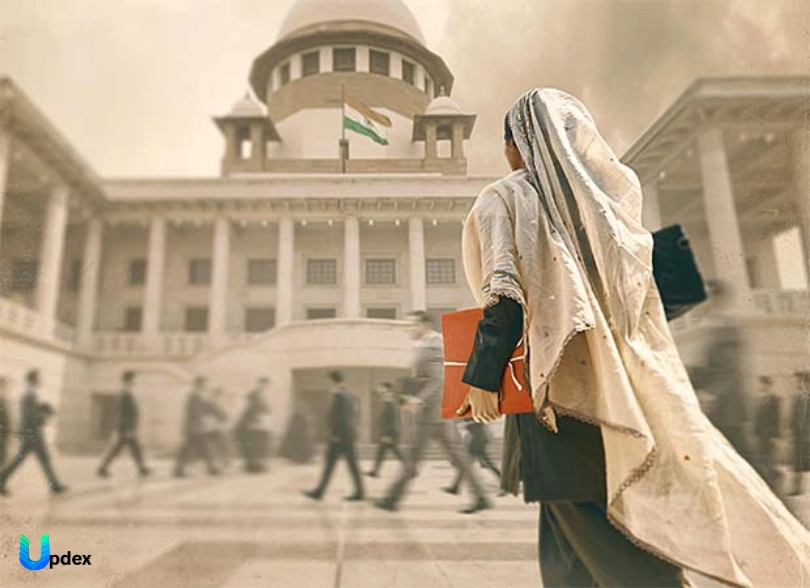
The haq movie is important because it shows social realities without seeming like a lesson. The movie doesn’t try to be a lecture or a manifesto. It doesn’t do this; instead, it makes a place where you can see complicated ideas about justice, dignity, and fairness through real-life experiences. This story choice fits with changing trends in movies that value realness over formulaic storytelling.
The haq movie sets a realistic tone right from the start. The settings are familiar, the conversations sound real, and the problems are like those we face in real life. This level of realism is important because it helps the audience see the story as a reflection of real-life problems instead of just a made-up story. The movie makes sure that its themes are easy to understand and relate to by not using sensationalism.
Another important part of the haq movie is that it focuses on how each person sees things. Big social problems are shown through personal stories, which show how bigger systems affect people’s daily lives. This way of telling stories helps connect abstract ideas with feelings. People don’t just hear about injustice; they see how it affects relationships, goals, and self-worth.
In the larger world of movies, the haq movie is part of a long line of socially aware stories. As we talked about, movies that look at social responsibility often come out when people are thinking about their own culture. These works aren’t meant to give answers; they’re meant to start conversations. The haq movie does a great job of this.
The film’s pacing is also worth talking about. Instead of rushing to a solution, it lets people have quiet times to think. This measured rhythm is like real life, where understanding and change usually happen slowly. This kind of pacing adds to the film’s thematic depth and keeps viewers interested on both an emotional and intellectual level.
As the story goes on, it becomes clear that the haq movie is less about one ending and more about the journey to understanding. It stresses that the fight for rights is often hard and involves compromise, resistance, and personal growth. This nuanced portrayal makes sure that the movie is still relevant for different audiences and settings.
Thematic Exploration and Narrative Structure of the Haq Movie
The haq movie tells a story about how personal identity and social expectations come together. The story is about how people deal with systems that decide how much dignity and opportunity they have. This investigation is conducted not via dramatic exposition but through meticulously crafted scenes that gradually unveil character motivations.
Rights as Lived Experience
The haq movie doesn’t show rights as abstract legal ideas. Instead, they are shown as things that people have actually lived through that were shaped by their circumstances. Characters find themselves in situations where their belief that they deserve fairness is put to the test, forcing them to face the truth about the power imbalance. These moments are what give the movie its emotional heart.
The haq movie avoids idealism by putting the idea of rights in everyday situations. It knows that the road to justice is not always easy. This realistic picture speaks to people who can relate to the same problems in their own lives.
Storytelling Based on Characters
The haq movie’s story structure puts character development ahead of plot complexity. Every main character shows a different way of dealing with limits and power. Some people choose to adapt, while others choose to resist, and some people live in the space between. This variety of points of view makes the story more interesting and stops it from being one-dimensional.
The main character’s journey is affected by both internal and external conflict. The movie doesn’t make the character good or bad by nature; instead, it lets them grow through their experiences. This method encourages empathy by asking viewers to understand why people do things instead of judging them.
Conflict Beyond Opposition
The haq movie has outside sources of conflict, like institutional authority or social norms, but the most interesting tension comes from within. Characters deal with fear, doubt, and moral ambiguity. These inner conflicts make the story more interesting by showing that fighting for one’s rights often means facing one’s own limits.
This layered way of dealing with conflict keeps the movie interesting without having to have direct fights. The audience is drawn into quiet moments of decision-making that are very important to them emotionally.
Visual Motifs and Symbolic Elements
The haq movie uses visual storytelling in a subtle but important way. Physical spaces often show how people are feeling. For example, small spaces can mean being trapped, while wide open spaces can mean being free. These visual cues help the movie’s themes without having to explain them directly.
The limited use of symbols lets viewers interact with the story. Instead of being told what things mean, audiences are encouraged to watch and figure things out for themselves, which makes them feel more connected to the story.
Dialogue as a Reflection of Society
The dialogue in the haq movie is true to life and fits the story. Characters talk in ways that are true to their backgrounds, which shows social hierarchies and cultural norms. Moments of silence are just as important; they often show uncertainty or unresolved tension.
The film’s dialogue shows how language can give you power and take it away. Whether or not someone can express their complaints says something about their social status, which adds another layer to the story.
Story Resolution and Open Interpretation
The end of the haq movie doesn’t give a clear answer. It doesn’t answer all of the questions, though; it leaves some unanswered. This story choice is similar to real-life problems, where change is often slow and never-ending.
The movie makes you think more by not giving you a neat ending. The film’s effect goes beyond the screen because it asks viewers to think about what the story means in their own lives.
Haq Movie: Cinematic Craft and Cultural Context
The haq movie uses careful filmmaking to get its themes across. Every technical part, from the acting to the sound design, serves the story instead of drawing attention to itself. This unity makes the movie feel more real and emotional.
Performance and Truthfulness
The acting in the haq movie is understated and realistic. Actors play their parts with restraint, letting their emotions come out slowly. This method fits with the movie’s dedication to realism, making sure that the characters feel real instead of like symbols.
The supporting roles are well-developed, which adds to the story’s social environment and shows how everything is connected. Each character adds to the story’s texture, showing how group dynamics shape individual experiences.
How the Director Works
The director’s vision stresses clarity and self-control. Scenes are planned out so that people can interact with each other instead of just watching. This method lets the film’s themes come out naturally, with help from the performance and the setting instead of direct messages.
The direction keeps the film together by keeping the tone the same throughout. Without too much style, viewers can focus on the story’s substance.
Sound and Music Design
The sound design in the haq movie is subtle and draws you in. Adding background sounds makes scenes feel more real by placing them in familiar places. Music is used sparingly to enhance emotional moments without taking them over.
Silence is used on purpose to make some scenes hit home more. This careful balance makes the movie more thought-provoking.
Cinematography and Visual Tone
Cinematography likes natural light and compositions that are grounded. Shots are set up to show how a character sees things, often highlighting how alone or close they are. This visual strategy supports the movie’s main ideas about limits and connections.
The color palette stays simple, which fits with the serious tone of the story. Thoughtful use of visual contrasts shows changes in the emotional or narrative focus.
Editing and Keeping the Story Going
Editing in the haq movie puts the story first. The scenes move smoothly from one to the next, keeping a steady pace that fits with the story’s reflective nature. This continuity keeps people interested without using emotional manipulation.
The way the movie is put together lets moments happen fully, trusting that the audience can figure out what they mean without too much help.
Cultural Relevance and Getting People Involved
The haq movie speaks to people of all kinds because its themes are universal. The movie can connect with people from all over the world because it deals with issues of dignity, fairness, and personal choice.
As we talked about in our internal discussion on **/social-theme-films, movies that deal with real-life social issues often lead to conversations that go beyond just entertainment. The haq movie adds to this tradition by making people think instead of telling them what to think.
Where it fits in with other movies
The haq movie fits in with other Indian and global movies that focus on social realism. Resources like IMDb and Wikipedia’s Indian cinema overview give more information about how these kinds of movies fit into changing film traditions.
The movie’s focus on being real puts it in a long line of stories that value emotional truth over commercial formula.
Lasting Importance
The haq movie will always be important because it is open. The film stays relevant over time and in different situations by telling a story that shows ongoing struggles instead of resolved outcomes. It makes people want to think, question, and talk about it long after they’ve seen it.
Conclusion
The haq movie is a well-thought-out mix of deep storytelling and cinematic restraint. It looks at complicated ideas about rights and identity without making them too simple by using character-driven stories, realistic acting, and careful craftsmanship. It is still a valuable addition to modern cinema because it is culturally relevant and makes people think.
The haq movie shows how film can be a mirror to society by putting authenticity and audience engagement first. It gives people a chance to observe rather than teach. This quality guarantees its position in the continuous discourse between film and societal experience.
Fast and trusted updates from Updex