
The realme 16 pro is being marketed as a new or upcoming addition to Realme’s mid-range smartphone lineup. This has caught the attention of people who closely follow the brand’s yearly product evolution. Realme has built a name for itself over the past few years by making devices that are well-designed, perform well, and are easy to use. The Realme 16 Pro is a big part of that ongoing trend.
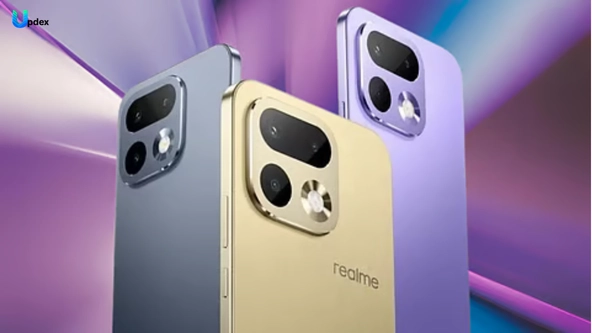
When people buy smartphones these days, they look at more than just the specs. They also look at the software experience, how long the phone will last, the design language, and how well it works with other devices. In this case, the realme 16 pro is looked at less as a separate device and more as part of Realme’s larger plan for the competitive Android market.
This article gives a thorough, factual, and non-speculative look at the realme 16 pro, focusing on its design direction, feature expectations based on the history of the series, software philosophy, and its likely place in the current smartphone market.
Realme 16 Pro’s design and hardware context
The realme 16 pro should look like other Realme number-series Pro models that came before it. Realme’s approach to industrial design has mostly focused on slim profiles, balanced weight distribution, and visual elements that appeal to younger and middle-class consumers without going too far with experimental shapes.
Realme Pro models have recently leaned toward displays that are flat or slightly curved, have little bezel, and camera modules that are centered. In this situation, the realme 16 pro is expected to keep its refined look instead of getting a big redesign. This kind of consistency helps people remember the brand while also letting it make small changes.
Choosing the right materials is a big part of how people see the realme 16 pro. More and more mid-range devices use advanced composite materials or reinforced glass finishes to make them last longer while still feeling high-end. These choices affect how well the device grips, how well it handles heat, and how easy it is to use every day.
When it comes to hardware, people mostly talk about the realme 16 pro in terms of how well it balances performance. Realme’s Pro-series devices have always been more about making everyday use smooth than about getting the best performance. This includes being able to multitask quickly, apps that work consistently, and being able to do things like watch videos, talk to people, and get work done.
When judging the realme 16 pro, another important factor is how well it displays. In the past, Realme’s Pro lineup has focused on panels with high refresh rates, consistent colors, and visibility in bright light. The brand usually puts comfort and visual stability ahead of raw resolution.
People often talk about how easy it is to use the realme 16 pro camera hardware instead of how good the pictures are. Realme’s mid-range philosophy is all about dependable everyday photography, balanced image processing, and flexible shooting modes that work well for social media and casual documentation.
The realme 16 pro’s position is also affected by its battery capacity and how it charges. People who use mid-range devices these days expect them to work all day without problems and have easy ways to charge them. Realme has always focused on how quickly its devices charge as part of its user experience strategy.
Another part of the realme 16 pro hardware context is the standards for connectivity. Support for modern network bands, wireless standards, and accessory compatibility makes sure that it works in all areas. These things are especially important in places where Realme is very popular.
The hardware direction of the Realme 16 Pro fits with Realme’s focus on making small improvements instead of big changes. This method helps keep things stable, control costs, and make sure that users are familiar with each new generation.
Readers should go to Realme’s official website (external do-follow link) for official brand news, device confirmations, and verified product information about the realme 16 pro.
Realme 16 Pro Software Strategy and Positioning in the Market
The software experience of the realme 16 pro is a key part of what makes it a good value. Realme devices run on Android, but the brand adds its own user interface layer to make it better. This software layer has changed over time to make the visuals cleaner, allow for modular customization, and improve system-level efficiency.
When it comes to software for the realme 16 pro, people want it to be stable, get regular updates, and work well with Android’s core features. Users are putting more value on predictable performance, background app control, and power management than on aggressive customization. This change is shown in Realme’s recent UI direction.
How people think about the realme 16 pro after using it for a long time depends a lot on how well the system is optimized. More than just benchmark numbers, smooth transitions, less background resource use, and consistent app behavior make people happier with their daily lives.
When talking about the realme 16 pro, people also talk about security and privacy. People expect modern Android devices to have privacy controls at the system level, regular security updates, and clear permission management. These things affect trust and long-term use.
From a market positioning point of view, the realme 16 pro is in a competitive mid-range segment where differences are small rather than big. Many competing devices have similar hardware features, so software polish, after-sales support, and brand reliability are important factors to consider.
Realme’s Pro-series devices are mostly aimed at people who want good performance without having to pay flagship prices. The realme 16 pro is expected to follow this idea by providing a smooth experience instead of just a few niche features.
The realme 16 pro also fits into users’ digital lives in a way that works with their ecosystem. Integration with wearables, audio accessories, and services that work across devices makes things seem more valuable. Realme’s growing range of products makes this interconnected approach possible.
The realme 16 pro’s role in the market is also shaped by where it is available and how much it costs. Realme usually changes its prices based on how the local market works, which keeps it competitive while keeping its profit margins stable. This flexibility has helped the brand grow in many areas.
When people are deciding whether or not to buy the realme 16 pro, they often compare it to other mid-range Android devices based on things like how reliable it is, how mature its software is, and how well the brand supports it, not just its specs.
Another thing that affects expectations for the realme 16 pro is how long it will be useful. As the time between smartphone upgrades gets longer, people want devices that will work for a long time. Because of this, the policy for software updates and the durability of the hardware are very important.
The realme 16 pro is another step in Realme’s careful approach to making mid-range smartphones. Instead of focusing on cutting-edge specs or experimental features, the device is designed to be well-balanced, work well, and have stable software.
To really understand the realme 16 pro, you need to look at it in the context of Realme’s overall product philosophy and the Android ecosystem as a whole. As more official information comes out, the device’s role will become clearer. However, its basic direction fits with Realme’s long-term plan to make technology easy to use and consistent.
The realme 16 pro is a good example of how mid-range smartphones are getting better over time through improvements, integration into ecosystems, and design that puts the user first.
Fast and trusted updates from Updex